

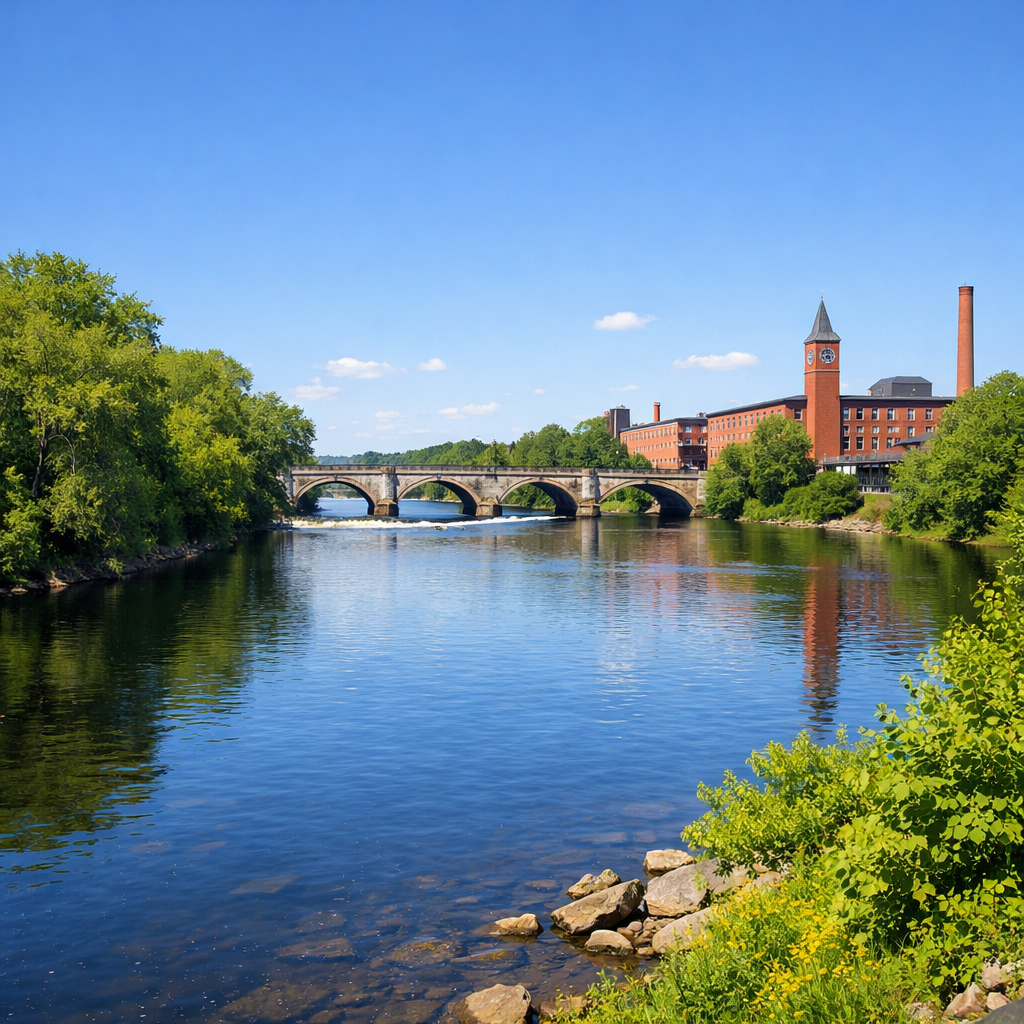
Lowell, Massachusetts, experiences a Humid Continental Mild Summer climate, characterized by distinct seasonal variations. Understanding these patterns is essential for residents to prepare for weather changes and participate in local environmental initiatives.
Seasonal Climate Overview
Lowell’s climate features warm summers and cold winters, with average annual high temperatures around 59.7°F (15.4°C) and lows near 38.5°F (3.6°C). The city receives approximately 47.8 inches (1215.1 mm) of precipitation annually, contributing to its lush environment. The growing season typically spans from late April to mid-October, offering ample time for gardening and outdoor activities.
Monthly Averages
Here’s a snapshot of Lowell’s average monthly temperatures and precipitation:
| Month | Avg. Low (°F) | Avg. High (°F) | Avg. Precipitation (inches) |
|---|---|---|---|
| January | 15.8 | 34.7 | 3.64 |
| February | 17.7 | 37.7 | 3.3 |
| March | 25.3 | 45.3 | 4.35 |
| April | 35.8 | 58.2 | 3.93 |
| May | 46.2 | 68.8 | 3.81 |
| June | 55.5 | 77.9 | 4.22 |
| July | 61.3 | 83.6 | 3.78 |
| August | 59.6 | 82.1 | 3.79 |
| September | 51.8 | 74.8 | 3.85 |
| October | 39.8 | 62.2 | 4.86 |
| November | 30.8 | 50.8 | 3.87 |
| December | 22.3 | 40.3 | 4.44 |
Environmental Initiatives in Lowell
Recognizing the importance of environmental stewardship, Lowell has implemented several initiatives to enhance sustainability and resilience:
Environmental Management System (EMS)
The Lowell Regional Wastewater Utility operates an ISO 14001:2015 certified EMS, focusing on reducing waste, lowering energy consumption, and improving responses to environmental concerns. This system underscores the city’s commitment to maintaining a clean and healthy Merrimack River.
Climate Change Preparedness
Lowell acknowledges the risks associated with climate change, including increased temperatures, severe storms, and flooding. The city is actively working to address these challenges by improving infrastructure, supporting vulnerable residents, and protecting natural resources.
Community Engagement Programs
Local organizations like the Lowell Parks & Conservation Trust offer programs such as the Lowell Leaders in Stewardship. This after-school initiative engages students in environmental education, fostering a connection to nature and promoting conservation efforts within the community.
By understanding Lowell’s climate patterns and participating in local environmental initiatives, residents can contribute to a more sustainable and resilient community.