

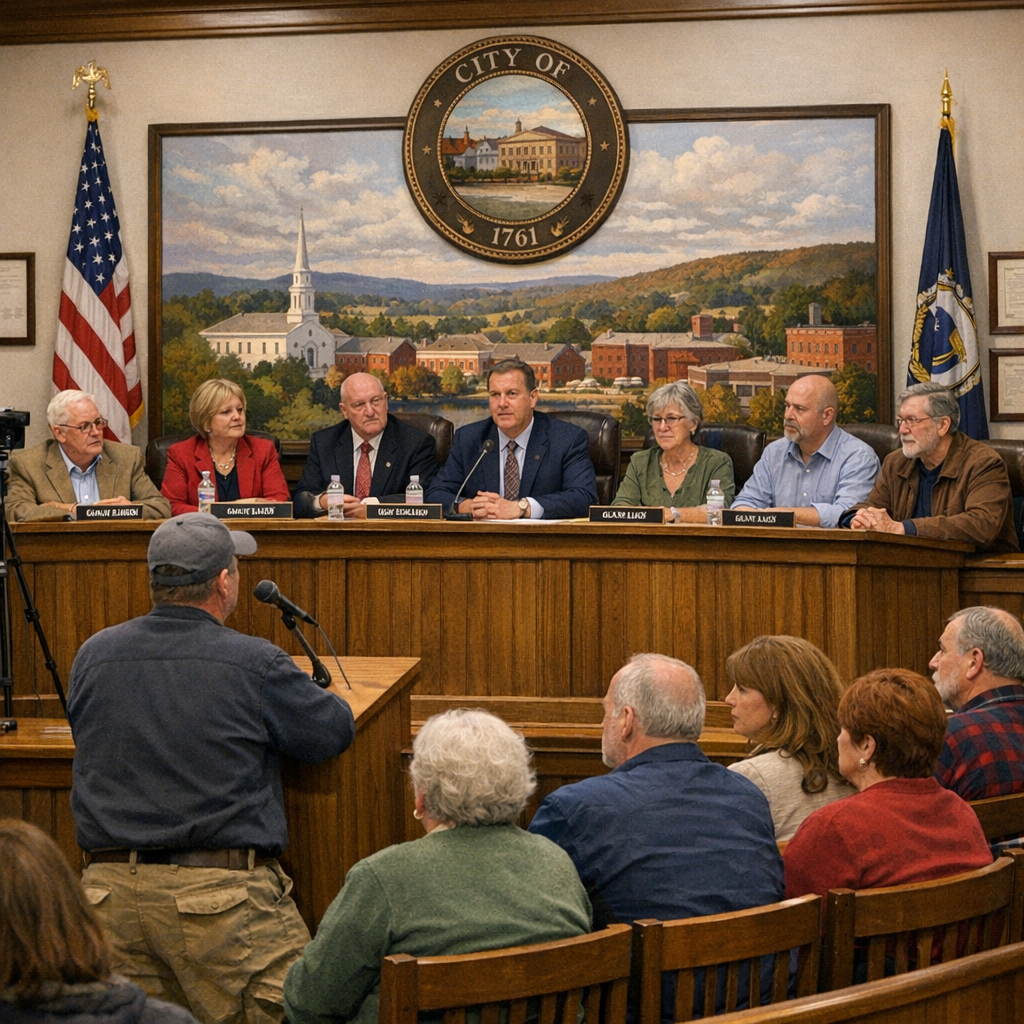
In Lowell, just like in many other U.S. cities, political polarization isn’t just a faraway issue—it’s starting to shape local governance and community life in unexpected ways. A growing body of research shows that national political divides are showing up in city halls, school boards, and neighborhood debates.
National Trends, Local Ripples
According to recent studies by Harvard Kennedy School, partisanship nationally is increasingly influencing how local officials think about issues, even when the issues are strictly local—like parking regulations, zoning, and public services. But those same studies also show that while elites—mayors, council members, and political activists—are deep in the divide, ordinary residents often share more similar views than expected. When it comes to “kitchen table” issues, people on different sides often agree. Yet local leaders are still aligning more often with their political bases, especially around issues that have become nationalized.
(Data from national surveys including over 25,000 respondents in more than 80 cities.)
Governance Under Pressure
Local officials are feeling the strain. Survey and field research reveals increasing levels of hostility directed at city leaders—from online harassment to threats at public meetings. Many say this has made it harder to discuss controversial topics or engage fully with all community members. In some cases, officials report scaling back communication or withdrawing from social media to avoid conflict.
What Communities Can Do
Despite the challenges, responses from across the country suggest there are ways to push back against this trend. For example:
- Nonpartisan forums: Creating spaces where residents can talk about shared problems—parks, trash collection, schools—outside of a political lens helps build trust.
- Civic education: Robust K-12 programs that teach how government works, civic rights, and civil responsibility can make young people less likely to view every local issue as a political battle.
- Local participation: Community service, neighborhood councils, and volunteer projects can connect people who might otherwise see only their differences.
- Cross-partisan collaboration: When local leaders from different parties work together on practical issues, such as infrastructure or emergency preparedness, it can ease divisions.
Why This Matters for Lowell
Lowell already has much of what experts say can help withstand polarization: engaged residents, active neighborhood associations, and local government that often focuses on hands-on service. But adopting practices like inviting nonpartisan input and instituting regular town-hall-style meetings that explicitly do not allow partisan framing could help our city retain its sense of shared purpose—especially as national politics grow louder.
Taking Up the Invitation
Whether it’s through civic groups, local media, schools, or city officials, everyone has a role. Being aware of how national politics influences our local moments is the first step. From there, Lowell can work to ensure that the divides we see aren’t etched deeply into our everyday lives.
— Olivia Nguyen